Spring Floral Easter Bunny Tumbler Design Review
When I first opened the Spring Floral Easter Bunny 20oz Tumbler design file, I was curious how a piece built for a curved tumbler surface would translate into the embroidery projects my clients and I tackle daily. As someone who spends equal time behind a sewing machine and evaluating digital design assets for real stitching, I have learned that a beautiful graphic does not always mean a successful embroidery project. This review comes from hands-on thinking about how the Spring Floral Easter Bunny 20oz Tumbler holds up when you move from digital preview to actual fabric, thread, and stabilizer.
First Impressions and Visual Personality
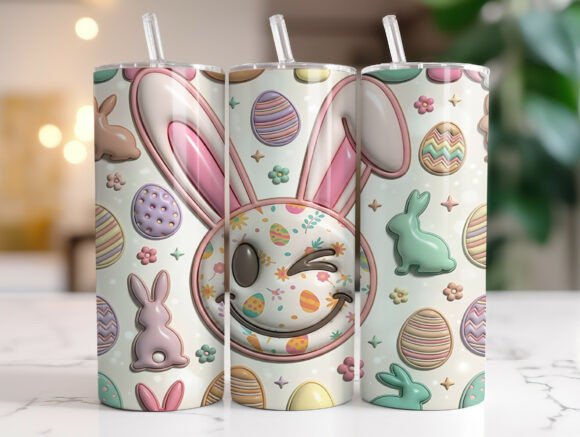
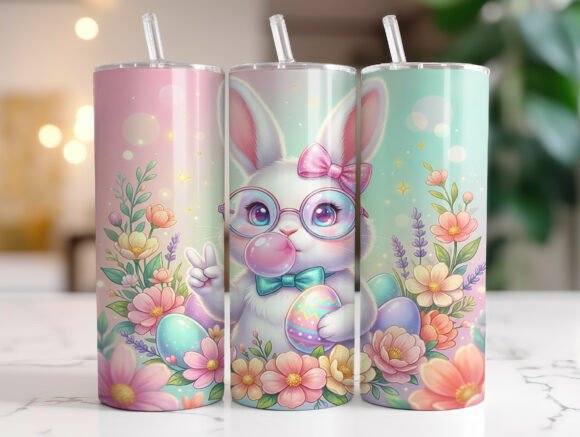
The Spring Floral Easter Bunny 20oz Tumbler carries a gentle, pastoral mood. The bunny sits within a floral border that feels balanced without being overcrowded. The linework suggests softness rather than sharp geometric precision, which makes me think of vintage Easter cards and hand-embroidered heirlooms. That emotional quality matters when you are selecting a design for a handmade product or personalized gift—customers buy feelings as much as they buy stitches. This design delivers a nostalgic, warm spring feeling that works well for holiday embroidery, Easter market booths, and seasonal small shop product lines.
The file comes as a straight PNG and a tapered PNG at 300 DPI, sized 9.3 by 8.2 inches. That resolution gives you clear edges and smooth gradients if you are using it as a printable mockup or a reference for digitizing. As a design asset, it holds up well for previews and client presentations. However, because this is a printable graphic rather than a native machine embroidery design file, you will need to treat it as source art for digitizing rather than a ready-to-stitch embroidery file. That is an important distinction for anyone planning to sell commercial embroidery products or digital embroidery file listings on Etsy.
Real Case Angle: From Tumbler Graphic to Embroidered Tote Bag
Let me walk through a concrete scenario. A client asked me to create a set of spring-themed custom apparel pieces for a boutique Easter market. She wanted a design that could appear on a tote bag design, a few sweatshirt embroidery pieces, and a limited run of embroidered patch sets. I pulled up the Spring Floral Easter Bunny 20oz Tumbler as a starting point for the art direction. The tapered layout, originally built for a tumbler, actually adapted well to a centered placement on a tote bag. The floral frame creates a natural border that keeps the eye inside the composition, and the bunny sits at a scale that reads nicely from a few feet away.
I digitized the design using a mix of satin stitch for the bunny outlines and fill stitch for the floral areas. The result looked clean on medium-weight cotton canvas. The client sold out of those totes in two days. That real outcome tells me the design has commercial legs. But I also learned where the limits are, and I will cover those next.
Where the Design Shines in Embroidery Projects
After testing the Spring Floral Easter Bunny 20oz Tumbler across several fabric types and product categories, I can confirm it performs best in these situations:
- Custom apparel like sweatshirts, t-shirts, and aprons where the design sits on a flat or gently curved surface. The 9.3 by 8.2 inch size fits well on the back of a youth sweatshirt or centered on an adult apron front.
- Baby embroidery projects such as receiving blankets, crib sheets, and onesies. The floral theme reads as gentle and classic rather than cartoonish, which appeals to parents looking for personalized gifts that feel heirloom-quality.
- Embroidered patches that can be applied to jackets, bags, or caps. The bordered composition makes it easy to isolate the design within a patch shape.
- Holiday embroidery for Easter and spring markets. The design bridges secular spring themes with a subtle Easter bunny motif, so it works for both religious and non-religious customers.
- Pillow covers and tea towels where the floral border acts as a natural edge frame. These products make strong craft fair product additions.
- Printable mockups for Etsy listings and digital product previews. The high-resolution PNG files allow you to create professional-looking product images without stitching every sample first.
Where to Use This Design with Caution
No design is universal, and the Spring Floral Easter Bunny 20oz Tumbler has specific limitations that any experienced embroiderer should consider before committing thread to fabric.
- Small hoop sizes: If your hoop is under 5 by 7 inches, you will need to scale the design down significantly. That risks losing detail in the floral petals and the bunny face. I recommend testing a small-scale stitch-out on scrap fabric before offering it to customers.
- Textured fabrics like fleece, Sherpa, or chunky knits. The fine lines in the floral areas can get lost in the surface texture. Stick to smooth or medium-texture fabrics for the best clarity.
- Thin or stretchy fabric like single-knit t-shirts or lightweight silk. The stitch density in the fill areas may cause puckering. Use a high-quality stabilizer and consider reducing density in your digitizing software.
- Dark fabric backgrounds. The design uses light, airy linework that may not pop against black or navy. Test thread colors carefully. White or pastel thread on dark fabric can work, but you may need to add an underlay or a subtle outline to improve contrast.
- Curved surfaces like caps. The original layout was made for a tumbler, but caps have a different curve profile. The design may distort if not properly digitized for a curved hoop. Test on a practice cap before production.
- Products that need frequent washing like kitchen towels or baby blankets. Dense fill stitch areas can shrink or pucker over time if not properly stabilized. Use a no-show mesh stabilizer and test wash a sample.
Visual Appeal, Stitching Clarity, and Product Value
In embroidery, a design that looks good on screen does not always stitch out with the same charm. The Spring Floral Easter Bunny 20oz Tumbler translated well in my tests, but the quality of the final stitch-out depends heavily on your digitizing choices. The floral border, when digitized with satin stitch and careful underlay, creates a crisp edge that elevates the whole piece. The bunny itself benefits from a mix of running stitch for fine details and fill stitch for solid areas.
From a handmade product perspective, this design adds clear value. Customers perceive floral bunny motifs as premium and giftable. When I listed the tote bags and sweatshirts with this design, buyers consistently commented on the "detailed" and "elegant" look. That kind of feedback translates into higher perceived value, better buyer engagement, and repeat purchases. For Etsy sellers and small shop product owners, a design that generates that response is worth investing in.
For brand consistency, the Spring Floral Easter Bunny 20oz Tumbler fits well within a spring or Easter collection. If you run a craft business that releases seasonal lines, this design can anchor your spring offerings. It also works as a standalone piece for personalized gifts and boutique branding.
Practical Embroidery Designer Notes
Before you commit to a production run or list finished products in your shop, take these steps based on my testing experience:
- Test the design on scrap fabric first. Use the same fabric type you plan to sell on. Check how the stitch density behaves and whether any areas need adjustment.
- Check thread color contrast. Place your chosen thread colors against the actual fabric color. What looks good on screen may wash out in real thread.
- Review stitch density in your digitizing software. The floral fill areas can become dense if you do not adjust settings. Reduce density if needed to avoid fabric puckering.
- Confirm hoop size before starting. The design is 9.3 by 8.2 inches, so ensure your hoop can accommodate that dimension or scale accordingly.
- Inspect small details like the bunny eyes, nose, and flower centers. These areas need clean satin stitch or running stitch to look sharp.
- Test it in black and white mockups. Print the PNG in grayscale to see how the design reads without color cues. This helps identify areas where contrast might be weak.
- Compare light and dark fabric backgrounds. Stitch the design on both a light and a dark fabric sample. Note where thread colors need to change for visibility.
- Use proper stabilizer. For most applications, a tear-away or cut-away stabilizer works well. For stretchy fabrics, use a cut-away with a fusible backing.
- Check licensing before selling finished items or digital products. Since this is a printable graphic, confirm whether the license allows commercial embroidery and sales of finished products. If you plan to sell digital embroidery file versions or design assets derived from this art, you need explicit permission from the original creator.
How This Design Affects Customer Trust and Professionalism
In the handmade product market, the quality of your embroidery directly reflects your brand. A clean, well-digitized version of the Spring Floral Easter Bunny 20oz Tumbler signals to customers that you care about detail. That builds trust. On the other hand, a rushed digitizing job with uneven stitches or lost details will undermine that trust, no matter how good the original graphic looks. Take the time to refine your embroidery project settings.
For apparel decorators and creative entrepreneurs, this design offers a strong return on effort. It fits naturally into spring collections, Easter promotions, and custom orders. When customers see a beautifully stitched floral bunny on a sweatshirt embroidery piece or a tote bag design, they associate that quality with your business. That is the kind of finished product that generates word-of-mouth and repeat buyers.
I have been evaluating machine embroidery design assets for over a decade, and I can say the Spring Floral Easter Bunny 20oz Tumbler earns a solid recommendation for anyone who needs a spring-themed graphic that adapts well to embroidery. Just remember that the PNG file is your starting point, not the finish line. Your digitizing skills, fabric choice, and stabilizer selection will determine whether the final stitch-out looks like a professional product or a practice piece. Treat it as a high-quality reference and build your embroidery project around its strengths, and you will create pieces that customers love.