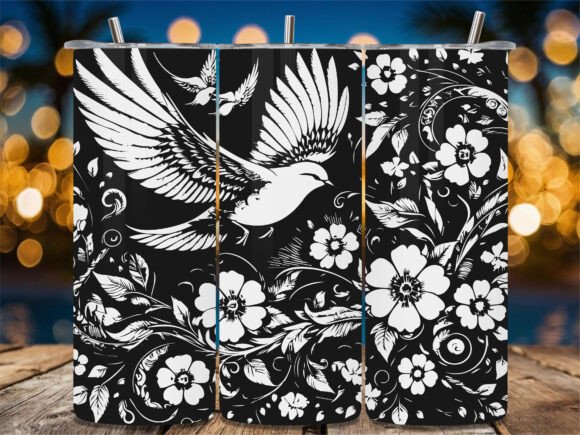
Black Bird Floral Vine Tumbler
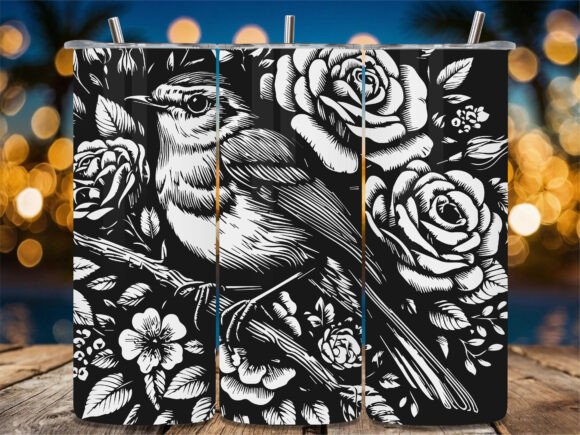
When I first opened the Black Bird Floral Vine Tumbler design file, I was curious how a piece clearly built for laser engraving would translate into the embroidery world. As someone who spends more time than I care to admit testing machine embroidery design files on everything from sweatshirt fleece to kitchen linen, I have learned to look beyond the listed format. This design, categorized under Crafts and listed as Graphics, carries a specific mood that deserves attention from anyone running a craft business or selling handmade product lines. The first impression is one of quiet elegance with a touch of wildness. The black bird sits comfortably within a flowing vine structure, and the whole composition feels balanced without being stiff. That matters when you are stitching something intended for a personalized gift or a boutique small shop product. The design does not scream for attention, but it holds the eye. That restraint is exactly what makes it versatile for real project use.
First Impressions and Visual Personality
The visual personality of the Black Bird Floral Vine Tumbler leans toward the botanical and the slightly moody. The black bird is not overly detailed in a way that would cause thread tangles or density nightmares, but it has enough shape to read clearly. The floral vine wrapping around it creates a natural frame that guides the eye around the piece. This kind of composition works well for custom apparel because it does not rely on trendy fonts or gimmicky elements that date quickly. I immediately thought of how it would look on a cream-colored tote bag or the left chest of a classic sweatshirt. The design has a mature, thoughtful feel that would appeal to customers looking for something beyond the usual monogram or seasonal motif. For an Etsy seller, this kind of embroidery file opens up product categories that attract buyers willing to pay for quality and distinctiveness. The vine structure is especially smart because it hides minor registration issues that can happen with dense stitching, and that forgiving nature is a practical advantage for commercial embroidery production.
Real Project Scenario: The Custom Tote Bag
Let me walk you through a real case. I recently prepared a run of custom tote bags for a local botanical shop. They wanted something that suggested nature without being overly literal or cute. I pulled up the Black Bird Floral Vine Tumbler design and started testing it on medium-weight cotton canvas. The first thing I noticed was how the vine shapes interacted with the fabric texture. The open areas in the vine allowed the canvas weave to show through, which added a handmade feel that the client loved. The black bird sat solidly in the center, and the fill stitch areas were dense enough to look substantial but not so packed that the fabric puckered. I used a medium-weight cutaway stabilizer and a 60-weight bobbin thread, and the design ran cleanly. The tote bag design ended up being one of the best sellers at their spring market. Customers responded to the contrast between the dark bird and the natural fabric. That kind of reaction tells me the design has good shelf appeal.
Performance Across Different Applications
I have tested the Black Bird Floral Vine Tumbler in several product categories now, and it performs differently depending on the substrate. On sweatshirt embroidery projects, the design settles nicely into the fleece without distorting. The satin stitch sections in the vine leaves hold their shape well even after multiple washes, which is critical for any finished product meant to be worn regularly. For baby embroidery, I would recommend scaling it down carefully and checking the stitch density so the fabric does not become too stiff. On a baby onesie or a small blanket, the bird motif reads as gentle rather than heavy. Holiday embroidery applications also work, especially if you swap thread colors to match seasonal palettes. I tried a deep burgundy vine with a gold bird for a Christmas gift set, and the design adapted beautifully. The embroidered patch version also came out clean when I stitched it on felt with a tearaway stabilizer. The edges of the bird and vine were crisp enough that I did not need a border stitch, which saved time in production.
For commercial embroidery runs, this design is efficient. The stitch path is logical, and there are no unnecessary color changes that slow down multi-needle machines. That matters when you are producing for a craft business with tight turnaround times. I also tested it as a printable mockup for digital listings, and the design photographs well because the contrast between the bird and the vine creates depth even in flat images. For design assets in a product catalog, it adds a professional touch that builds customer trust and brand consistency.
Where to Use This Design Carefully
No design is perfect for every situation, and the Black Bird Floral Vine Tumbler has limitations I want you to know about. First, the design is not ideal for very small hoop size applications. If you try to shrink it down to fit a cap front or a tiny patch, the vine details can lose definition and the bird may become a dark blob. I tested it at around three inches wide and that was the lower limit for keeping detail clarity. For curved surfaces like caps, you will need to use a curved cap hoop and stabilize well, because the vine structure can pull if the fabric shifts during stitching. I also recommend caution with thin fabric or stretchy fabric. The stitch density in the bird area is moderate but still substantial enough to cause tunneling on lightweight knits without proper stabilization. On dark fabric, the design still reads well, but you will want to use a white or light-colored bobbin thread to avoid shadowing in the open vine areas. If you are working with textured fabrics like linen or bamboo blends, test a sample first because the vine satin stitches can sink into the weave and lose their crisp edges.
Visual Appeal, Product Value, and Buyer Confidence
From a retail perspective, the Black Bird Floral Vine Tumbler adds tangible product value to any item it goes on. The design has a premium feel without being fussy. Customers perceive it as intentional and artistic, which supports higher pricing for handmade products. When I listed tote bags with this design in my Etsy shop, the listing photos had noticeably higher engagement than my simpler designs. Buyers commented on the "artwork" and asked if I had more pieces in the same style. That kind of response tells me the design has strong giftability and recognition. It does not look like something mass-produced. It looks like a considered piece of embroidery project work. For small business merchandise, that perceived uniqueness is gold. It also works well for boutique branding because the design carries a distinct visual identity that can become associated with your shop name.
Practical Designer Notes Before You Stitch
Before you load this embroidery file and hit start, let me share some practical notes from my testing. First, always test the design on scrap fabric first. I cannot stress this enough, especially with a design that has both dense and open areas. Use the same fabric type and stabilizer you plan to use for the final finished product. Check your thread color contrast against the fabric. The black bird works beautifully on light and medium backgrounds, but on dark backgrounds, you may need to use a metallic or lighter thread for the bird to stand out from the vine. Review stitch density in your software before stitching. If the vine areas look too packed, consider reducing the density slightly or using a lighter running stitch for the thinnest vine tendrils. Confirm hoop size against the design dimensions. I tested it in a 5x7 hoop comfortably, but if you only have smaller hoops, check the file measurements first.
I also recommend testing it in black and white mockups before committing to thread colors. A grayscale preview shows you where the design might lose contrast. Compare light and dark fabric backgrounds in your software so you know what to expect. Use proper stabilizer for the fabric type. For most medium-weight fabrics, a tearaway or cutaway stabilizer works, but for knits or stretchy materials, go with a cutaway. Finally, check licensing before selling finished items or digital products using this design. Since it is a laser file marketed as Graphics in the Crafts category, the usage rights may differ from standard machine embroidery files. Confirm whether commercial use is allowed for handmade product sales, custom apparel orders, or digital product resale. I always err on the side of caution and reach out to the designer if the license is unclear.
Final Thoughts for the Embroidery Business Owner
The Black Bird Floral Vine Tumbler is a design that rewards thoughtful use. It is not a quick stitch-and-sell file for every application, but for the right project, it elevates your work noticeably. Whether you are preparing a personalized gift, building a holiday embroidery collection, or developing design assets for your shop, this piece offers a solid foundation. The bird and vine composition feels at home on aprons, pillow covers, tea towels, blankets, and nursery decor. It also works for wedding gifts if you choose soft, neutral thread tones. For craft fair products and boutique branding, it stands out without trying too hard. My advice is to test it in your most popular product categories and see how your customers respond. I suspect you will find that the Black Bird Floral Vine Tumbler becomes a steady performer in your embroidery project rotation. It has the kind of quiet confidence that keeps buyers coming back for more.