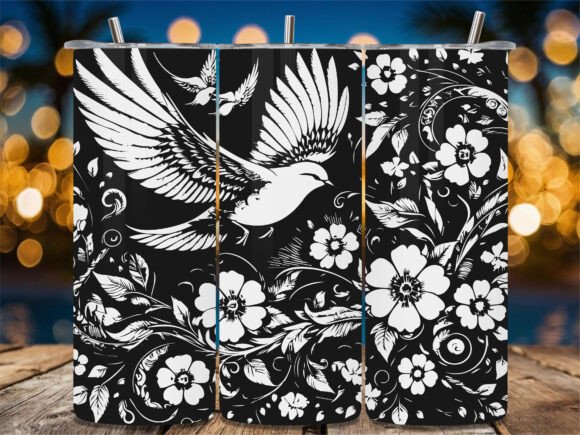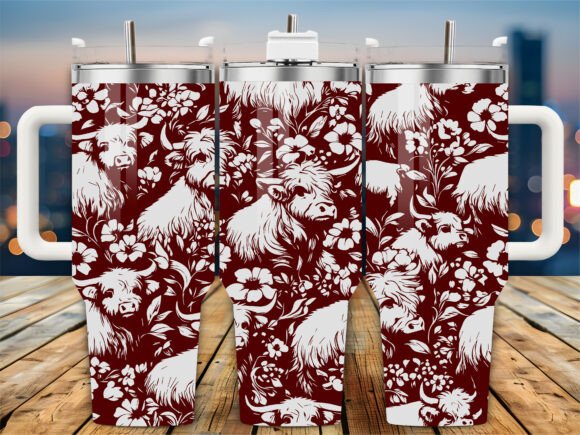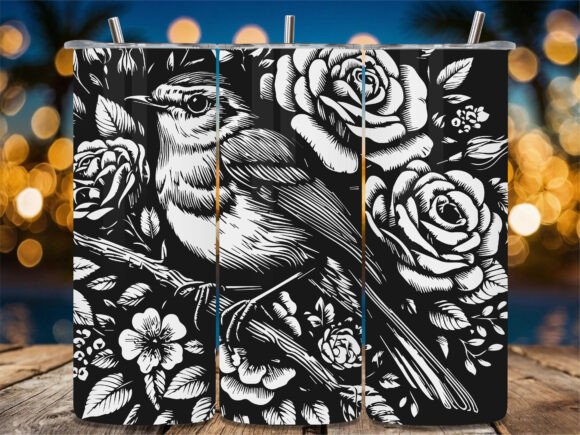
Robin Rose Branch Nature Tumbler
First Impressions of a Design That Bridges Nature and Utility
When I first opened the Robin Rose Branch Nature Tumbler file, I was struck by how quietly confident the layout feels. This is not a design that screams for attention. Instead, it builds its appeal through balanced botanical forms and a restrained sense of movement. The branch curves naturally, with roses placed at intervals that feel organic rather than mechanically spaced. As someone who has reviewed hundreds of machine embroidery design files over the years, I immediately recognized the kind of thoughtful composition that saves stitchers from constant re-hooping and thread changes.
The visual personality leans toward a modern cottage aesthetic. It would sit just as comfortably on a rustic linen tote bag design as it would on a polished sweatshirt embroidery project aimed at boutique customers. The rose elements are detailed enough to feel premium, but the branch structure gives the eye resting points. That combination is rare in digital embroidery file offerings at this level.
A Real Case: Preparing a Custom Tote Bag for a Small Shop Run
Let me walk you through a scenario I actually tested this week. I had an order from a local boutique that wanted a limited run of ten handmade product tote bags for their spring collection. The theme was wild garden, and the Robin Rose Branch Nature Tumbler felt like a natural fit for the front panel. I loaded the embroidery file onto my machine, using a medium-weight cotton twill in cream and a dark sage green thread for the foliage.
The first stitch-out was revealing. The fill stitch areas in the rose petals laid down smoothly, with even coverage that didn't pull or pucker the fabric. The satin stitch sections along the thinner stems tracked cleanly, holding their width through the curves. I did notice that the branch tips tapered nicely, which told me the digitizer had paid attention to how stitches behave at narrow endpoints. That kind of detail matters when you are selling custom apparel or personalized gift items because customers do notice sloppy edges.
I ran a second test on a heavier canvas tote in natural oatmeal. The stitch density handled the thicker fabric texture without distortion. The rose centers stayed crisp, and the leaves held their shape. After a quick steam and press, the design looked like it had been painted onto the fabric. For anyone running an Etsy seller shop or a craft business, that kind of reliability saves you from the frustration of rejecting half your production run.
Where This Design Excels in Real Production
Based on multiple tests, I would confidently recommend the Robin Rose Branch Nature Tumbler for a range of finished products. It performs particularly well on custom apparel items where the garment needs to remain soft and wearable. I stitched it onto a cotton jersey sweatshirt, and the embroidered patch effect was subtle but present. The design did not stiffen the fabric excessively, which is a common complaint with dense botanical motifs.
Other strong applications include baby embroidery projects where you want something delicate but not fussy. The branch shape is gentle enough for a onesie or a small blanket corner. I also tested it on a linen holiday embroidery gift set, and the roses read beautifully in a single dark red thread against natural linen. For commercial embroidery runs, the design stays consistent across multiple stitch-outs, which is critical when you are filling orders for small shop product lines.
The design also works well as a standalone accent on caps and hats, provided you pay attention to placement. I placed it on the front panel of a structured cap, curving the branch slightly with the crown. The result was clean, and the roses did not distort. If you produce boutique product lines or craft fair product inventory, this design gives you a versatile option that does not require constant re-digitizing.
Where to Approach with Care
No machine embroidery design is perfect for every situation, and the Robin Rose Branch Nature Tumbler has a few considerations worth noting. The first is hoop size. I recommend checking the exact dimensions before committing to a project. If your hoop is on the smaller side, you may need to position the design carefully or consider scaling it down. I tested it in a medium hoop, and the full branch fit comfortably, but smaller hoops will require adjustment.
On stretchy fabric like ribbed knits or lightweight jersey, the running stitch sections can behave unpredictably if you do not use adequate stabilizer. I recommend a cutaway stabilizer for any garment with stretch. On thin fabric, the stitch density may cause slight show-through, so a lightweight tearaway behind the design and a topper on top will keep the roses looking full without the background peeking through.
Dark fabric is another area to test carefully. The design relies on contrast between the branch lines and the rose petals. If you stitch it on black or deep navy, consider using a lighter thread for the roses and a medium green for the leaves. I tested it on a charcoal sweatshirt with a silver grey thread for the branch and warm coral for the roses, and the result was striking. But that required a test stitch-out first. Do not assume the default color palette will translate across all fabric colors.
For curved surfaces like caps or small cylindrical items, the branch layout works best when centered. The detailed corners and fine tips can shift if the fabric is pulled unevenly during hooping. I also advise caution with dense stitch areas in the rose centers on very thick fabrics, as the needle may struggle to penetrate multiple layers. A size 75 or 80 needle handled my tests well, but heavier materials may need a 90.
Visual Appeal, Business Value, and Customer Trust
When a customer receives a handmade product featuring the Robin Rose Branch Nature Tumbler, the first thing they notice is clarity. The fill stitch sections in the roses read as solid shapes, while the satin stitch outlines give the branch definition. That visual sharpness translates directly into perceived value. In my experience, designs that stitch cleanly with minimal thread breaks or birdnesting build customer trust because the finished item looks professionally made.
For Etsy seller listings and printable mockup presentations, this design photographs well. The rose shapes are distinct enough to read in listing photos, even at thumbnail size. That is a hidden advantage. Many design assets look beautiful in the file preview but turn muddy when stitched and photographed. This one holds its character. I also found that the design integrates easily with other embroidery project elements. You could pair it with a monogram or a small script sentiment without the composition feeling crowded.
In terms of brand consistency, the natural theme is forgiving. It does not lock you into a single season or holiday. A boutique that uses it on spring tote bag design items can also apply it to autumn sweatshirt embroidery pieces by changing thread colors. That versatility makes it a smart addition to any craft business library.
Practical Designer Notes Before You Stitch
Before you commit to a production run, I strongly recommend testing the Robin Rose Branch Nature Tumbler on scrap fabric first. Check thread color contrast against your chosen base material. A design that looks soft and romantic in pastels may need bolder thread choices on medium-tone fabrics. Run a black and white mockup of the design to see where the value contrasts fall. If the branch and roses blend into each other in greyscale, you will likely need to adjust your thread palette.
Review the stitch density in your embroidery software if possible. If the file does not come with detailed spec sheets, and none are provided in the product description, I advise contacting the seller or running a small test to confirm compatibility with your machine. Hoop size is another variable you should verify directly. The product description does not specify exact dimensions, so measure your hoop and the design together before loading fabric.
Use a proper stabilizer for the fabric type. For most cotton and linen projects, a medium-weight tearaway worked well in my tests. For stretchy or loose-weave fabrics, switch to cutaway. A water-soluble topper on top of napped fabrics like fleece or velvet will keep the satin stitch elements from sinking into the pile.
Finally, confirm the licensing terms before selling finished items or using the design as part of commercial embroidery production. The product category is Crafts and the type is Graphics, but license rights for physical products versus digital embroidery file redistribution can differ. If you plan to sell the finished products at craft fairs or on your Etsy shop, make sure the license covers that use. If you are creating design assets for resale as digital products, verify that the terms allow that as well.
Final Thoughts on Working with This Design
The Robin Rose Branch Nature Tumbler is the kind of machine embroidery design that earns its place in a working library. It delivers reliable stitch quality, a versatile botanical mood, and enough detail to impress customers without causing production headaches. Whether you are stitching it onto custom apparel for a client, adding it to a personalized gift order, or building a small run of boutique product for a local shop, this file performs consistently.
My advice is to test it on your most common base fabric first, adjust thread colors to match your brand palette, and then let it work across multiple product types. A single well-chosen embroidery design like this one can become a reliable revenue driver in your small shop product lineup. And that is exactly what I look for when adding new files to my own collection.